2026 physician salary report: Compensation climbs as physicians reassess work, pay, and balance
June 9, 2026
After years of burnout, staffing shortages, and mounting administrative pressures, physicians may finally be feeling a cautious sense of momentum. Medscape’s 2026 Physician Compensation Report found that doctors reported stronger pay gains in 2025 and, notably, improved feelings about compensation overall.
The shift suggests the physician compensation landscape may be stabilizing after several volatile years. While many doctors still face ongoing challenges related to burnout, administrative burden, and productivity demands, the latest data points to growing alignment between what physicians earn and how they feel about the value of their work.
From rising compensation in several of the highest-paid physician specialties to shifting perspectives on flexibility, workload, and career sustainability, the report offers an important snapshot of what’s shaping the physician workforce today. Here’s a closer look at the trends influencing the financial and professional outlook for physicians in 2026.
What the 2026 physician salary data shows
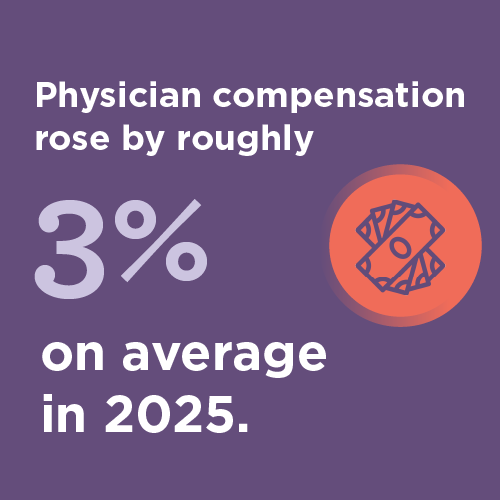
The 2026 report found that overall physician compensation increased by about 3% in 2025, with both primary care physicians and specialists reporting similar growth rates. Those increases slightly outpaced the annualized core inflation rate of 2.7% at the end of 2025.
Compensation also continued to vary widely by specialty. Eight specialties reported average annual compensation above $500,000, led primarily by procedural and hospital-based fields. Primary care physician compensation continued to rise, though at lower overall levels than in many specialty areas.
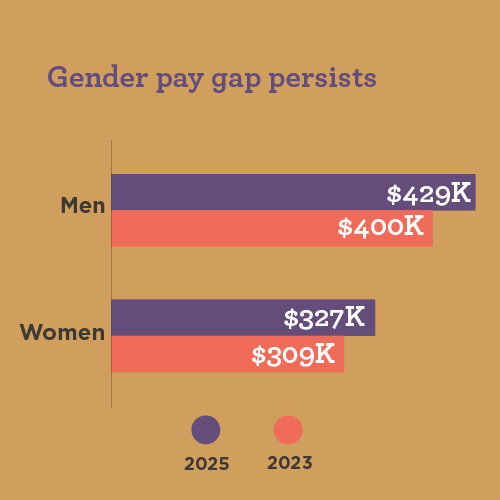
The report also highlighted ongoing disparities across the profession. While more physicians reported feeling fairly compensated compared to last year, the gender pay gap persisted across specialties.
Highest paying physician specialties in 2026
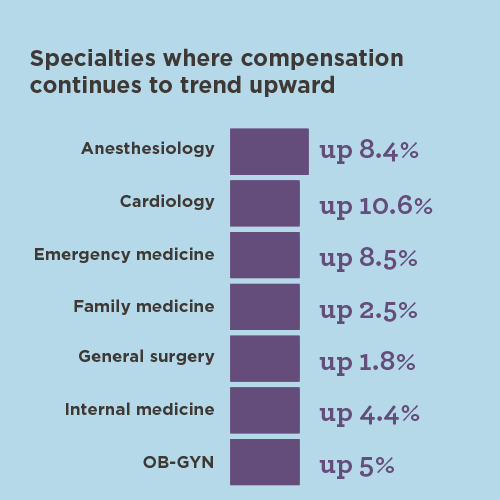
While physician compensation increased overall in 2025, several specialties stood out for strong and consistent growth. Here’s a closer look at specialties where compensation and opportunity continue to trend upward in 2026.

Anesthesiology
Average compensation reached approximately $543,000, up 8.4% year over year. Continued anesthesia staffing shortages and growing procedural demand have kept anesthesiologists highly sought after across hospital and surgical settings.

Cardiology
Cardiologists reported average compensation of roughly $575,000, representing one of the largest increases in this year’s report at 10.6% year over year. Growing demand for cardiovascular care and an aging patient population continue driving strong recruitment activity in the specialty.

Emergency medicine
Emergency medicine compensation rose 8.5% year over year to approximately $421,000. While the specialty continues facing burnout and staffing pressures, emergency physicians remain in high demand, particularly in rural and underserved markets.

Family medicine
Family medicine physicians reported average compensation of about $288,000, up 2.5% from last year. Though compensation growth was more modest than some specialty fields, demand for primary care physicians remains exceptionally strong nationwide.

General surgery
General surgeons earned approximately $442,000 on average in 2025, with compensation increasing 1.8% year over year. Surgical staffing shortages and growing procedural demand continue supporting compensation growth across many markets.

Internal medicine
Internal medicine compensation increased 4.4% year over year to approximately $307,000. Hospitalist demand and ongoing shortages in primary and inpatient care continue creating strong recruitment needs across the specialty.

OB-GYN
OB-GYN compensation rose approximately 5% year over year to $390,000. Persistent physician shortages, particularly in rural communities and in labor and delivery coverage, continue to drive demand across the specialty.
Three additional specialties that saw notable year-over-year gains were ophthalmology, radiology, and orthopedics. Ophthalmologists reported compensation growth of 9%, while radiologists saw compensation increase by 8.5%, and orthopedists and orthopedic surgeons reported gains of 8.3% compared to last year’s report.
Which physician specialties saw pay decline in 2026
Not all specialties saw growth. PM&R, nephrology, and dermatology all saw slight declines (-1%). Oncology/hematology and pulmonary medicine declined 2% year over year. Physiatrists and allergists/immunologists saw the biggest drop (down 3%).
The gap between compensation and satisfaction
While physician compensation continued to rise in 2025, the Medscape report suggests that salary alone does not determine how physicians feel about their work.
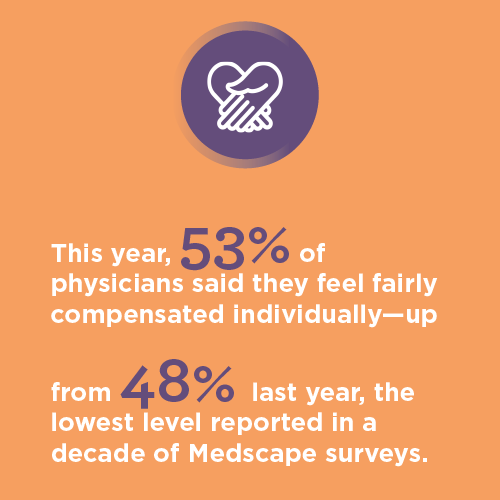
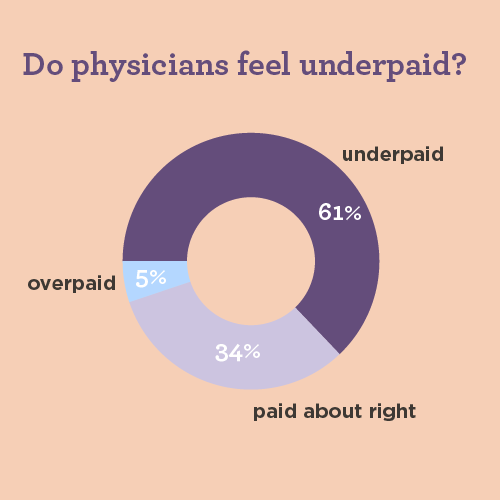
This year, 53% of physicians said they feel fairly compensated individually—up from 48% last year, the lowest level reported in a decade of Medscape surveys. Still, 61% said they believe the medical profession overall is underpaid, reflecting the continued impact of burnout, documentation burdens, staffing shortages, and growing productivity expectations.
The report also highlights that compensation satisfaction is often shaped by more than pay alone. Some specialties with relatively modest compensation growth—including pathology and public health—reported among the highest levels of satisfaction with compensation. The findings suggest physicians are increasingly evaluating career satisfaction through a broader lens that includes workload, autonomy, flexibility, and overall quality of life, not just salary.
How physicians are increasing their income beyond traditional roles
As physicians look for ways to increase earning potential while maintaining greater control over their schedules, many are turning to opportunities outside the traditional full-time employment model. In Medscape’s survey, 40% of physicians said they found time and opportunity to take on paid work outside their regular working hours.
For many physicians, locum tenens has become one way to supplement income without simply adding more hours to an already demanding schedule. Instead, physicians are increasingly using locums to create more flexibility, improve work-life balance, pursue entrepreneurial goals, or gain more control over how and where they practice.
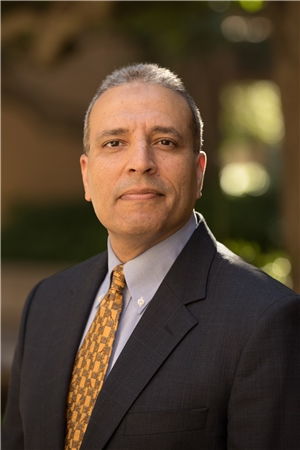
Anesthesiologist Dr. Ahmed Abdel Rahman says one of the biggest differences in locum tenens work is how compensation aligns more directly with physicians’ time and effort.
In a permanent position, you will work more than needed and not be paid. For a locum position, every minute of your life counts financially.
For Dr. Rahman, who was limited to employer-sponsored positions while on an H-1 B visa, locum tenens has expanded his options. “Once I got my citizenship and tasted the benefits of locums, it would be very difficult to go back again to permanent, to be honest."
For emergency physician Dr. Genevieve Hasek, locums created flexibility alongside stronger earning potential. “I knew that locums paid a little bit better than a permanent or part-time position in Los Angeles and that there were many options for flexibility,” she says.
The reality proved even better.
Sometimes the pay is so good that you can actually work less, even though you'll have to be away from home.
“Sometimes you may actually have to work fewer days to keep your current salary. Or if you want to supplement your salary, it can be helpful too,” she says.
Other physicians are using locum tenens to achieve financial stability while building toward longer-term goals. OB-GYN Dr. Shyrlena Bogard says locums helped provide a steady income while she pursued entrepreneurship outside traditional clinical practice.
"I was in private practice, and I started doing locums to save up some money,” says Dr. Bogard. “That was my way of banking up a little money because I want to be an entrepreneur and start a practice in the integrative wellness space. And so locums was a way to keep a steady income coming in while that practice was building up."
Maximize your earning potential: Learn how locums pay and salary work
What 2026 physician pay trends mean for early-career physicians
For residents and fellows preparing to enter practice, the latest physician compensation data offers both opportunity and perspective. Physician salaries continue to trend upward across many specialties, particularly in high-demand fields where workforce shortages continue driving recruitment demand.
At the same time, many early-career physicians are entering the workforce with significant student loan debt while navigating contract negotiations and career decisions for the first time. As a result, newer physicians are increasingly evaluating opportunities beyond salary alone.
Factors such as flexibility, mentorship, autonomy, geographic preferences, and long-term career sustainability are playing a greater role in how residents and fellows define the “right” opportunity. The 2026 compensation data suggests that while earning potential remains strong, many physicians are prioritizing balance and career fit alongside pay.
Dr. Sonya Sloan, an orthopedic surgeon, says locums helped her achieve the balance and lifestyle she desired.

Locums afforded me the opportunity to have life on my own terms. I think it all comes down to the idea that locums can afford you a lifestyle and choices.
CompHealth can help you find the opportunity that’s right for you. View current physician job openings or give us a call at 800.453.3030.